

Hey there! I'm a supplier of limestone wall panels, and I often get asked, "How do I choose the right size of limestone wall panels?" It's a great question, and in this blog, I'll share some tips to help you make the best decision.
Understanding Your Space
The first thing you need to consider is the space where you'll be installing the limestone wall panels. Measure the length and height of the wall accurately. You don't want to end up with panels that are too small or too large for the area. If it's a small area like a bathroom accent wall, smaller panels might work better. They'll give a more detailed look and can be easier to handle. On the other hand, if you're covering a large wall in a hall or a commercial space, larger panels can create a more seamless and grand appearance.
For example, if you have a narrow hallway with low ceilings, small - sized panels can make the space look less cramped. They'll add texture without overwhelming the area. But in a big - open living room with high ceilings, large panels can make the room look more elegant and cohesive.
Design Aesthetic
Your design style plays a huge role in choosing the panel size. If you're going for a modern and minimalist look, larger panels are often a better choice. They create a clean and smooth surface, with fewer grout lines. Larger panels can give the illusion of a continuous wall, which is a key element in modern design.
On the contrary, if you prefer a rustic or traditional look, smaller panels are ideal. They give a more textured and detailed appearance, similar to the look of old - fashioned stone walls. The multiple grout lines add depth and character to the wall, enhancing the rustic charm.
Think about the overall color scheme too. Light - colored limestone, like the ones in Limestone Beige Outdoor Paving Stone Tiles, can look great in larger sizes for a bright and open feel. Darker limestone, such as the Metro Square Limestone Dark Grey Floor Tiles, might work better in smaller panels to break up the darkness and add visual interest.
Installation Considerations
The installation process can also influence your panel size choice. Larger panels are heavier and more difficult to handle. You'll need a professional installer with the right equipment to lift and install them safely. If you're on a budget and planning to do the installation yourself, smaller panels are a more practical option. They're lighter and easier to cut and fit into place.
Also, consider the layout of the wall. If the wall has a lot of corners, curves, or irregularities, smaller panels are easier to work with. You can cut them to fit the shape of the wall more precisely. Larger panels might require more complex cutting and fitting, which can increase the installation time and cost.
Budget Constraints
Let's talk about money. Generally, larger panels are more expensive per square foot than smaller ones. This is because they require more raw material and are more difficult to produce. If you're on a tight budget, smaller panels can be a cost - effective solution. You can still achieve a great look without breaking the bank.
But don't just focus on the upfront cost. Consider the long - term value. Larger panels might have fewer grout lines, which means less maintenance in the long run. Grout can get dirty and need to be cleaned or replaced over time. So, if you're willing to invest a bit more upfront, larger panels can save you money and effort in the future.
Traffic and Usage
If the area where the limestone wall panels will be installed has a lot of traffic, like an airport or a commercial lobby, you need to think about durability. Larger panels can be more durable as they have fewer joints. Joints are weak points where the panels can crack or break. For high - traffic areas, you might want to consider Limestone Light Grey Airport Floor Imitation Stone Tiles in a larger size to ensure they can withstand the wear and tear.

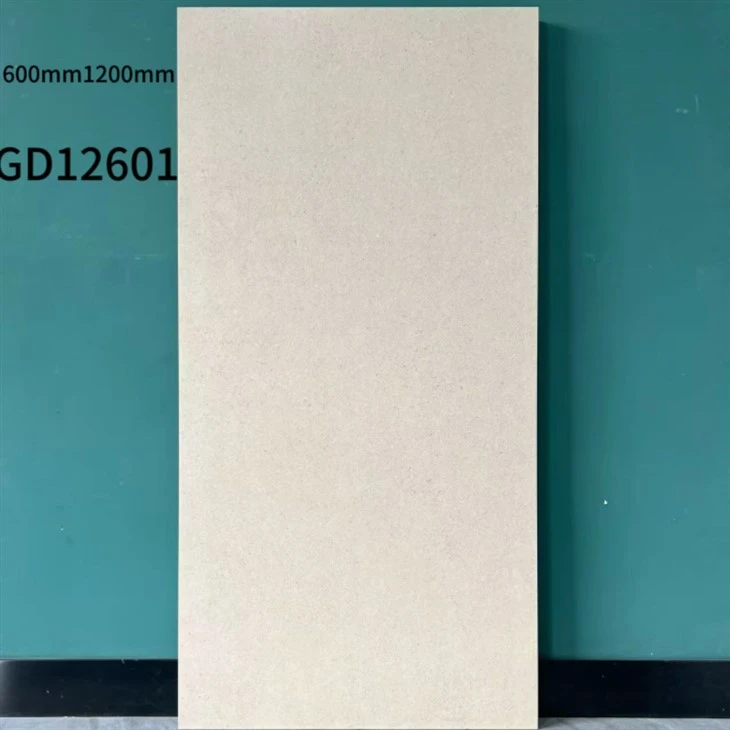
In a low - traffic area like a bedroom or a study, you have more flexibility in choosing the panel size based on your design preferences.
Compatibility with Existing Elements
Look at the existing elements in the room. If you have large furniture or fixtures, larger panels can balance the space better. For example, if you have a big fireplace with a thick mantel, large limestone wall panels around it can create a cohesive and imposing look.
If the room has a lot of small details, like intricate moldings or decorative items, smaller panels can complement these features without overpowering them.
Testing the Sizes
Before you make a final decision, it's a good idea to get samples of different panel sizes and place them on the wall. This will give you a better idea of how they'll look in the actual space. You can see how the light reflects off them, how they interact with the color of the room, and if they fit your aesthetic.
Conclusion
Choosing the right size of limestone wall panels is a combination of considering your space, design style, installation capabilities, budget, traffic, and existing elements in the room. By taking all these factors into account, you can select the perfect panel size that meets your needs and creates a beautiful and functional space.
If you're interested in purchasing limestone wall panels or have more questions about choosing the right size, feel free to reach out. We're here to help you make the best decision for your project.
References
- "Limestone in Construction: A Comprehensive Guide", Architecture Today
- "Interior Design Trends for Natural Stone", Design Magazine