

As a supplier of exterior faux stone panels, I've witnessed firsthand the growing popularity of these products in the construction and home improvement industries. Homeowners, contractors, and designers are increasingly turning to faux stone panels as an alternative to real stone. In this blog post, I'll compare exterior faux stone panels to real stone, highlighting the advantages and disadvantages of each.
Appearance
One of the most significant factors in choosing between faux stone panels and real stone is appearance. Real stone has a natural beauty and authenticity that is hard to replicate. Each piece of real stone is unique, with its own color, texture, and veining. This natural variation gives real stone a rich, organic look that can enhance the aesthetic appeal of any exterior.
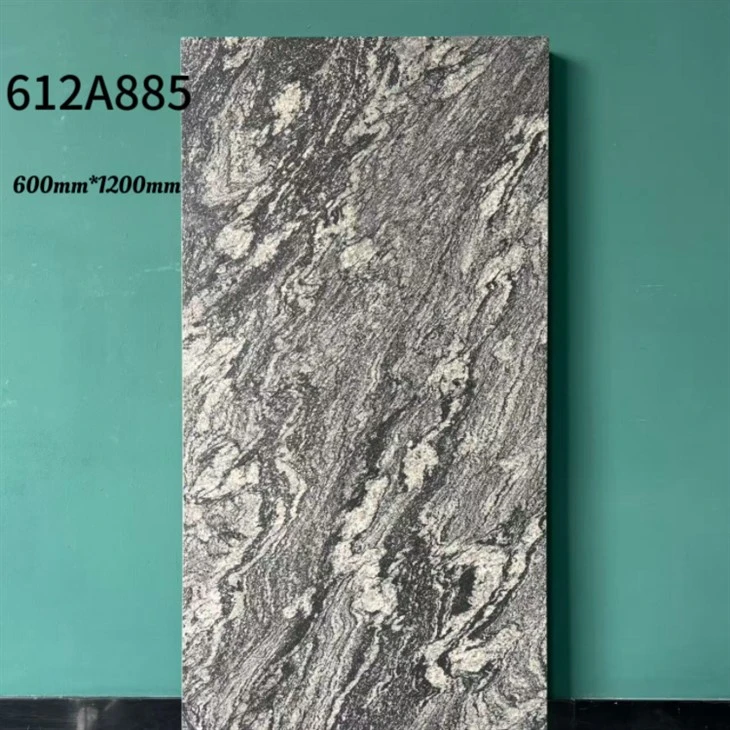
On the other hand, faux stone panels are designed to mimic the appearance of real stone. Thanks to advancements in manufacturing technology, modern faux stone panels can closely resemble the look and feel of natural stone. They come in a wide range of colors, textures, and patterns, allowing you to choose a style that suits your design preferences. Whether you're looking for the rustic charm of weathered limestone or the sleek elegance of polished granite, there's a faux stone panel option available.
While faux stone panels can provide a convincing imitation of real stone, some purists may argue that they lack the genuine character and depth of natural stone. However, for many people, the ability to achieve a similar look at a lower cost is a compelling advantage.
Cost
Cost is often a major consideration when choosing between faux stone panels and real stone. Real stone is generally more expensive than faux stone panels due to the cost of extraction, processing, and transportation. The price of real stone can vary depending on the type of stone, its quality, and the availability in your area. In addition, installation costs for real stone can be higher because it requires specialized skills and equipment.
Faux stone panels, on the other hand, are more budget - friendly. They are typically made from lightweight materials such as polyurethane or fiberglass, which are less expensive to produce than natural stone. The installation process for faux stone panels is also simpler and faster, which can result in lower labor costs. This makes faux stone panels an attractive option for those who want the look of real stone without breaking the bank.
For example, if you're working on a large - scale exterior project, the cost savings associated with using faux stone panels can be substantial. You can allocate the saved funds to other aspects of your project, such as landscaping or interior finishes.

Durability
Durability is another important factor to consider when comparing faux stone panels and real stone. Real stone is known for its long - lasting durability. It can withstand harsh weather conditions, including extreme temperatures, heavy rain, and strong winds. Natural stone is also resistant to scratches, stains, and fading, making it a popular choice for high - traffic areas.
Faux stone panels are also designed to be durable. They are engineered to resist moisture, rot, and insect damage. Most faux stone panels have a protective coating that helps to prevent fading and staining. However, compared to real stone, faux stone panels may not be as resistant to physical impact. While they can withstand normal wear and tear, they may be more prone to cracking or chipping if struck with a hard object.
In terms of long - term durability, real stone may have the edge. However, with proper installation and maintenance, faux stone panels can provide many years of reliable service.
Weight
The weight of the material is a crucial consideration, especially for exterior applications. Real stone is extremely heavy, which can pose challenges during installation. The weight of real stone may require additional structural support, increasing the complexity and cost of the installation process. In some cases, the existing structure of a building may not be able to support the weight of real stone, making it an impractical choice.
Faux stone panels, on the other hand, are lightweight. They are much easier to handle and install than real stone. The reduced weight also means that they can be installed on a wider range of surfaces without the need for extensive structural modifications. This makes faux stone panels a versatile option for both new construction and renovation projects.
Environmental Impact
In today's environmentally conscious world, the environmental impact of building materials is an important consideration. Real stone extraction can have a significant environmental impact. It involves large - scale mining operations that can cause habitat destruction, soil erosion, and water pollution. The transportation of real stone over long distances also contributes to carbon emissions.
Faux stone panels, on the other hand, have a relatively lower environmental impact. Many faux stone panels are made from recycled materials, and the manufacturing process consumes less energy compared to real stone extraction. Additionally, because faux stone panels are lightweight, they require less fuel for transportation, further reducing their carbon footprint.
Installation
Installing real stone is a complex and labor - intensive process. It requires skilled masons who have experience working with natural stone. The stones need to be carefully cut, shaped, and laid in place to ensure a proper fit. This process can be time - consuming, especially for large projects.
Faux stone panels are much easier to install. They are typically designed to be interlocking or can be attached to the wall surface using adhesive or mechanical fasteners. The lightweight nature of faux stone panels makes them easy to handle and maneuver, even for DIY enthusiasts. You can often complete an installation project in a fraction of the time it would take to install real stone.
Maintenance
Maintenance requirements for real stone and faux stone panels differ. Real stone requires regular cleaning and sealing to maintain its appearance and protect it from damage. Over time, natural stone may develop stains or discoloration, which may require specialized cleaning products and techniques to remove.
Faux stone panels are relatively low - maintenance. They can be cleaned with a mild detergent and water. The protective coating on faux stone panels helps to prevent stains and fading, reducing the need for frequent maintenance.
Examples of Faux Stone Panel Products
If you're interested in exploring the options of faux stone panels, we offer a variety of products. Check out our Cream Porcelain Outdoor Tiles, which provide a classic and elegant look for your outdoor space. Our Balcony Yard Garden Ecological Bricks are perfect for adding a touch of nature to your balcony or garden. And for a modern and sophisticated look, consider our Theoyunbei Dark Grey Paving Stone Tiles.
Conclusion
In conclusion, both exterior faux stone panels and real stone have their own advantages and disadvantages. Real stone offers authenticity, durability, and a timeless appeal, but it comes with a higher cost and more complex installation process. Faux stone panels, on the other hand, provide a cost - effective, easy - to - install alternative that can closely mimic the look of real stone. They are also more environmentally friendly and require less maintenance.
If you're considering using exterior stone for your next project, I encourage you to weigh the factors discussed above and determine which option is best for you. Whether you choose real stone or faux stone panels, the key is to select a product that meets your aesthetic, functional, and budgetary requirements.
If you're interested in learning more about our exterior faux stone panels or would like to discuss a potential project, please feel free to reach out. We're here to assist you in making the right choice for your exterior design needs.
References
- "Building Materials: A Guide to Selection, Specification, and Design" by Joseph F. Dwyer
- "Exterior Design: Principles and Practice" by Jane Smith
- Industry reports on the production and use of natural stone and faux stone panels.